
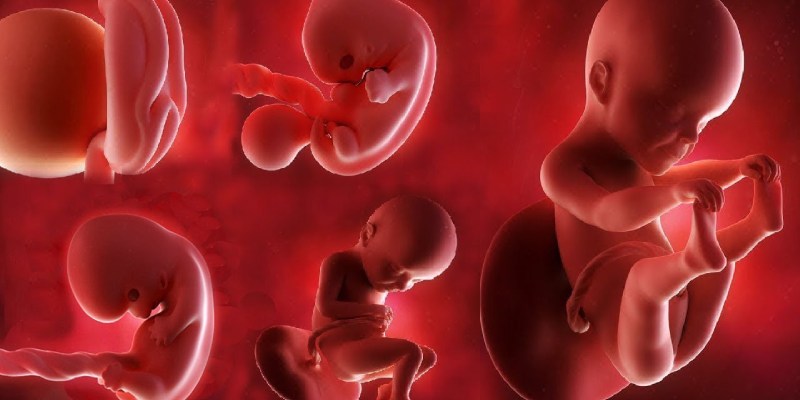
Pregnancy, a miraculous journey of creating life, brings immense physical and emotional changes for the mother. This intricate process involves the synchronized development of a tiny human being within the mother’s womb. Understanding the different stages, key milestones, and your baby’s organ formation at each trimester empowers you to embrace this experience with knowledge and confidence.
Stages of Pregnancy: Three Distinct Trimesters
Pregnancy lasts approximately 40 weeks, typically divided into three distinct trimesters, each characterized by unique developments:
First Trimester (Weeks 1-12):
- Conception and Implantation: Fertilization marks the beginning, followed by implantation of the fertilized egg in the uterine lining.
- Embryonic Development: Rapid cell division forms the basic body plan, laying the groundwork for organs and systems.
- Morning Sickness and Fatigue: Hormonal fluctuations often cause nausea, vomiting, and extreme fatigue.
- Organ Budding: Early buds of vital organs like the heart, brain, and lungs emerge.
- Ultrasound Confirmation: Around week 6, the heartbeat becomes visible, confirming a viable pregnancy.
Second Trimester (Weeks 13-27):
- Fetal Growth and Movement: The baby, now called a fetus, grows rapidly, and movements become noticeable.
- Increased Energy and Activity: Hormonal adjustments often lead to a surge in energy and well-being.
- Organ System Refinement: Internal organs mature and begin functioning, preparing for life outside the womb.
- Detailed Ultrasound: Anatomy scans provide a clear picture of the developing baby, allowing gender determination in some cases.
- Maternal Adaptations: The uterus stretches, accommodating the growing baby, while other bodily systems adjust to support pregnancy.
Third Trimester (Weeks 28-40):
- Rapid Maturation and Brain Development: The baby’s size and weight increase significantly, with the brain undergoing explosive growth.
- Kick Counts and Braxton Hicks Contractions: Regular fetal movement reassures well-being, while practice contractions prepare the body for birth.
- Preparation for Delivery: Lungs mature, breathing movements occur, and the baby descends deeper into the pelvis in preparation for birth.
- Pre-natal Classes and Planning: Information sessions equip parents for childbirth and newborn care, while family planning and logistics are finalized.
- Anticipation and Excitement: As the due date approaches, excitement and nervousness intermingle as parents eagerly await their baby’s arrival.
Baby’s Organ Development: A Trimester-by-Trimester Exploration
Throughout pregnancy, remarkable transformations occur within the baby, with major organ systems developing in a precise sequence:
First Trimester:
- Heart: Starts beating around week 5, driving blood circulation.
- Brain: Neural tube forms, setting the stage for brain development.
- Lungs: Early buds appear, laying the foundation for the respiratory system.
- Digestive System: Gut tube forms, initiating the digestive process.
- Limbs: Tiny buds emerge, gradually developing into arms and legs.
Second Trimester:
- Brain: Rapid growth and neuron formation, enabling basic reflexes and sensory perception.
- Lungs: Branching of airways and development of alveoli prepare for breathing.
- Digestive System: Begins to absorb nutrients from amniotic fluid.
- Muscles and Bones: Develop and strengthen, allowing movement and response.
- Reproductive System: Begins to differentiate based on genetic sex.
Third Trimester:
- Brain: Continues to mature, with complex neural connections forming.
- Lungs: Nearly fully developed, preparing for the first breath after birth.
- Digestive System: Practices sucking and swallowing in preparation for breastfeeding.
- Muscles and Bones: Become stronger, and the baby adopts a head-down position for birth.
- Reproductive System: Fully formed and functional.

Frequently Asked Questions about Pregnancy:
Q: What are some common pregnancy symptoms?
A: Fatigue, nausea, vomiting, breast tenderness, frequent urination, food cravings, mood swings, etc.
Q: Do I need prenatal vitamins?
A: Yes, prenatal vitamins provide essential nutrients for both mother and baby.
Q: What should I eat during pregnancy?
A: Focus on a balanced diet rich in fruits, vegetables, whole grains, and lean protein. Limit processed foods, caffeine, and alcohol.
Q: What exercises are safe during pregnancy?
A: Low-impact activities like walking, swimming, and prenatal yoga are safe under qualified guidance.
Q: What are the signs of labor?
A: Regular contractions, rupture of membranes (water breaking), and persistent pelvic pressure.
2) Ultrasound